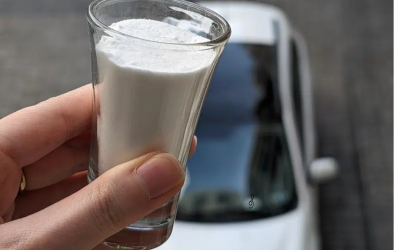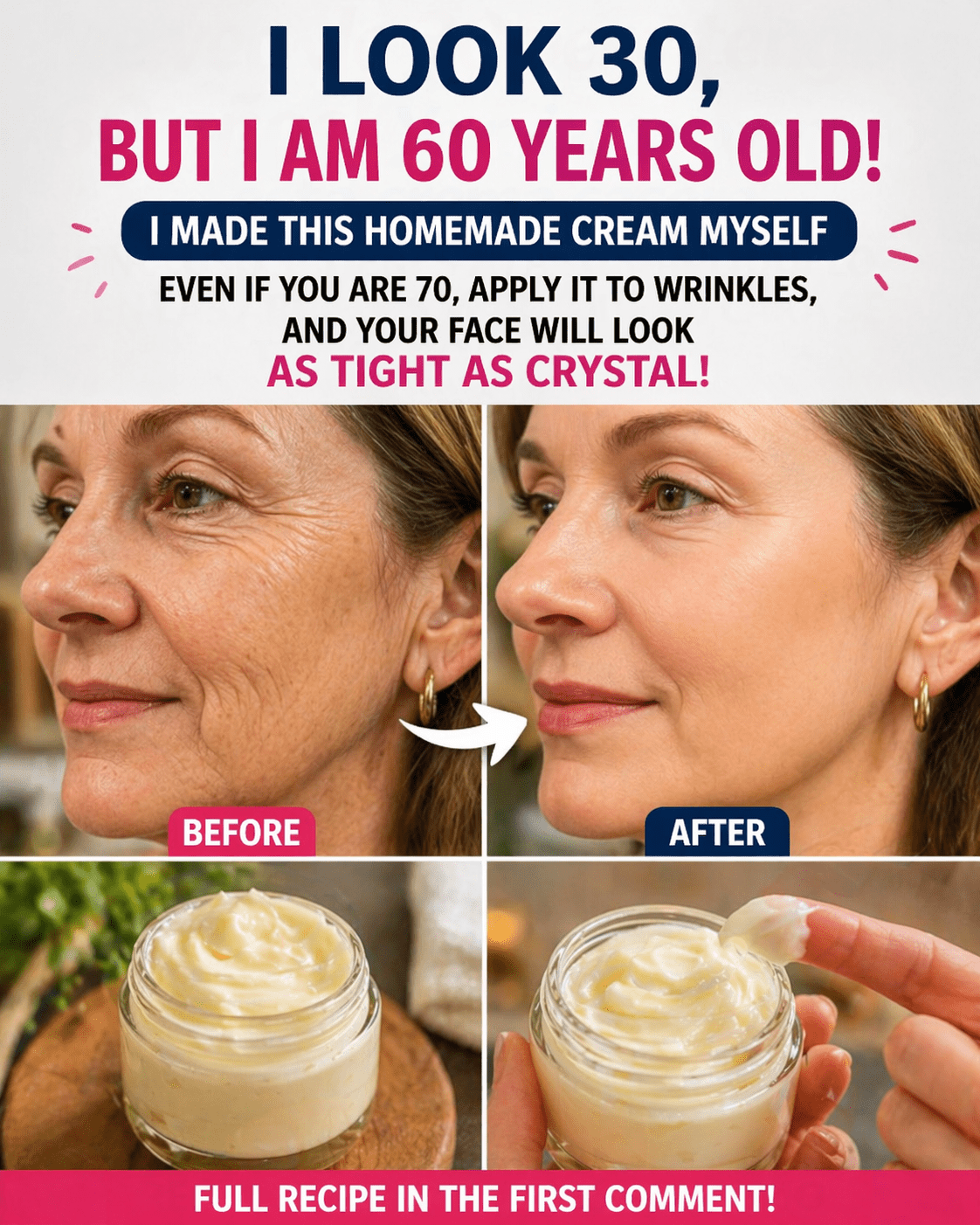
Consistency matters more than intensity when trying any new skincare step. Many who share their experiences recommend starting slowly to see how your skin responds.
Here are some practical tips to keep in mind:
- Always perform a patch test on a small area of your inner arm first and wait 24 hours.
- Cleanse your face gently with your usual cleanser and pat dry.
- Apply a thin layer of the cream to your face and neck, focusing on areas of concern using light circular motions.
- Leave it on for 10 to 15 minutes or apply a very thin layer before bed if your skin tolerates it well.
- Rinse thoroughly with lukewarm water and follow with your regular moisturizer.
- Use no more than two or three times per week to avoid over-exfoliation.
This approach helps many people fit it comfortably into their bedtime habits without overwhelming their skin.
What Some Research and User Experiences Suggest
Studies on sodium bicarbonate indicate it can provide temporary smoothing effects through gentle exfoliation. For example, research into mild abrasives shows they may help improve skin texture by removing surface buildup. Coconut oil is widely recognized for its emollient properties that support hydration.
Of course, individual skin types differ. Those with sensitive or dry skin may need to adjust the ratio or skip it altogether. The important thing is listening to your skin and stopping immediately if any redness or discomfort appears.
Here is a quick comparison to help you decide if this fits your needs:
| Aspect | Homemade Baking Soda Cream | Traditional Store Creams |
|---|---|---|
| Cost | Very low (pantry staples) | Higher depending on brand |
| Ingredients | Minimal and transparent | Often longer lists with preservatives |
| Preparation time | Under 5 minutes | Ready to use |
| Customization | Easy to adjust ratios | Fixed formula |
| Frequency of use | 2-3 times weekly recommended | Varies by product |

Additional Tips to Support Your Skincare Routine
Beyond the cream itself, small daily habits can make a noticeable difference over time. Staying hydrated, getting enough sleep, and protecting your skin from sun exposure during the day all play important roles. Some people like to combine this evening step with a gentle face massage to promote circulation.
Another helpful practice is keeping a simple journal of how your skin feels after each use. This helps track what works best for you personally.
Common Questions About This Homemade Approach
How long does the cream last once mixed?
The fresh mixture stays good for up to one week when stored properly in a sealed jar in a cool place. Make small batches to keep it fresh.
Can I use this on sensitive skin?
It is best to start with a very diluted version or consult a dermatologist first. Some skin types respond well while others may find it too drying.
Is this suitable for daily use?
Most experts suggest limiting it to a few times per week to prevent potential irritation from over-exfoliation.
What should I do if my skin feels tight after using it?
Rinse immediately and apply a soothing moisturizer. This is your skin signaling to take a break and perhaps adjust the recipe next time.
Final Thoughts on Adding This to Your Routine
Exploring simple homemade options like this baking soda cream can be a fun and affordable way to engage more thoughtfully with your skincare habits. It reminds us that sometimes the most straightforward ingredients can become part of a consistent routine that supports how we care for our skin day to day. Remember that healthy skin comes from a combination of good habits, patience, and listening to what your body needs.
Always prioritize your skin’s comfort and consider speaking with a healthcare professional for personalized advice.
Disclaimer: This article is for informational purposes only and is not intended as medical advice. Individual results may vary. Consult a qualified dermatologist or healthcare provider before trying any new skincare product or routine, especially if you have sensitive skin, allergies, or existing skin conditions. Baking soda can alter skin pH and may cause irritation in some people.
🔥 Continue Reading 👇 Next Page