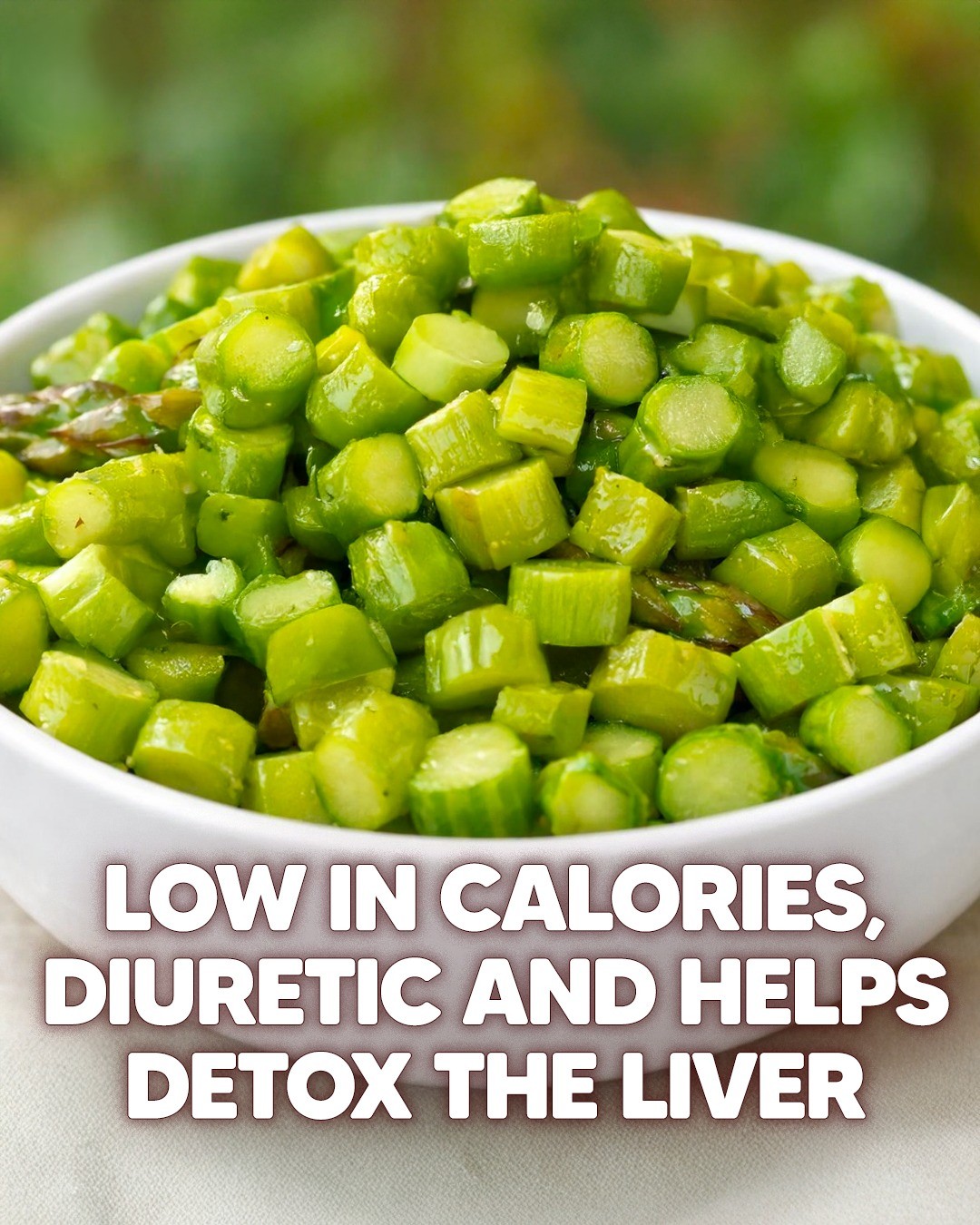
Asparagus is a healthy vegetable thanks to its good amount of vitamins and minerals, despite its zero fat content. Plus, it's the star of easy and delicious recipes.
Asparagus is a typical spring vegetable, available throughout the season from March to May, with some varieties lasting until June. They are part of the large Liliaceae family and their generic scientific name is Asparagus: the cultivated species, that is, the one that most commonly reaches our tables, is called Asparagus officinalis, while the wild one, also edible, known as asparagina, is classified as Asparagus acutifolius. The edible part of the asparagus is called the shoot, which corresponds to the sprout, and is composed of a long, straight stem and an elongated tip, its most tender part. Wild asparagus is divided into different types, the best known of which are three, which differ based on their colour:
In the United States, green asparagus is by far the most common variety, widely grown and consumed across the country. Because it grows above ground and receives direct sunlight, it develops chlorophyll, which gives the spears their deep green color and the slightly grassy, sometimes pleasantly bitter flavor many people associate with spring asparagus. Much of the U.S. crop comes from California, Washington, and Michigan, with California historically leading production.
White asparagus, which grows underground and is shielded from sunlight, is much rarer in the U.S. Since it never develops chlorophyll, the spears remain pale and have a milder, more delicate flavor and a tender texture. While it’s a staple in parts of Europe, in the U.S. it tends to appear mainly in specialty markets, farmers’ markets, or high-end restaurants.
Purple asparagus is the least common variety but has been gaining attention among American growers and chefs. Known for its vibrant violet color and naturally sweeter flavor, it is often associated with varieties such as Purple Passion, which are cultivated on a small scale in farms across states like California and New Jersey. Its tender texture and mild taste make it especially popular for eating raw or lightly cooked.
Asparagus' Properties and Benefits
From a health perspective, as part of a varied and balanced diet, asparagus represents a true ally for well-being. They are made up of 91% water and are very low in calories, 33 kcal per 100 g of product. Furthermore, they are practically free of fat and cholesterol, containing, however, a fair amount of fiber (2%). Among the mineral salts in which they are rich, potassium stands out (260 mg) and they are an excellent source of vitamin C, carotenoids, folates and vitamin A. What does this mean in practical terms? That asparagus is a low-calorie, diuretic food, with a detoxifying action for the liver and an antioxidant, promoting the fight against free radicals and cell reproduction. They are a food that promotes the proper functioning of the intestinal tract and blood circulation, therefore useful for lowering the risk of high blood pressure. Additionally, asparagus combats water retention, draining excess fluids, thus reducing the formation of cellulite. It's recommended during pregnancy, as folate—vitamin B9—prevents the onset of possible birth defects. An added bonus? Magnesium, potassium, and tryptophan appear to have an anti-stress effect, helping to combat anxiety and fatigue.
Asparagus' Contraindications and Side Effects
🔥 Continue Reading 👇 Next Page