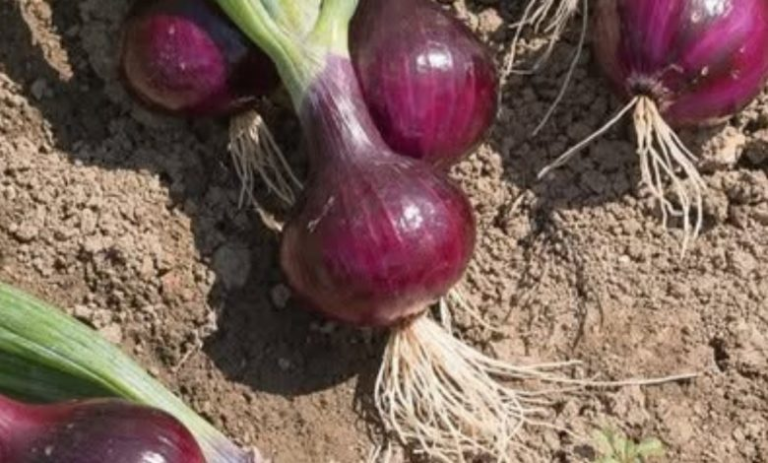
For those interested in metabolic health, onions offer some interesting properties. They contain specific sulfur compounds that may help the body manage sugar more effectively. In some observations, “people with type 2 diabetes who consumed 100g of raw red onion saw a significant drop in blood sugar within 4 hours.”
While this is interesting, it is important to remember that “this doesn’t replace medication—but onions can be a powerful supportive food in a diabetes-friendly diet.” Always follow the guidance of a professional regarding any medical conditions.
4. Helping the Immune System
Onions contain many nutrients that are known to help the immune system, such as Vitamin C and zinc. Because of this, “onions act like nature’s multivitamin for immunity.” They are often used in traditional recipes to help the body manage common seasonal issues like colds or sore throats. For example, “onions have natural antimicrobial and expectorant properties that soothe sore throats and loosen mucus.”
Other Potential Health Advantages
Heart Health: Some studies suggest that the antioxidants in onions might help maintain healthy blood pressure and cholesterol levels already within a normal range.
Digestion: Onions are rich in fiber, which helps feed the “good” bacteria in your gut.
Stress Management: Some traditional cultures believe onions can help calm the mind, though scientists are still looking for more evidence to prove this link.
Important Considerations and Precautions
Even though onions are healthy, they are not a perfect fit for everyone. It is important to listen to your body and be aware of potential side effects.
Digestive Comfort
For some, “onions (especially raw) can trigger heartburn, bloating, or irritation.” If you find that onions make you feel uncomfortable, try cooking them thoroughly, as this often makes them easier for the stomach to handle.
Blood Pressure
Onions are known to support heart health, but for some, “onions may lower blood pressure further, leading to dizziness or fatigue in those already on BP meds.” If you have naturally low blood pressure, you may want to monitor how you feel after eating large amounts.
Food Combinations to Watch
In some traditional wellness systems like Ayurveda, people are careful about what they eat alongside onions. Some suggest avoiding combinations with “honey” or “seafood like shrimp or fish.” While “no strong evidence shows these combinations are dangerous for most people,” some find that avoiding these mixes helps prevent bloating or indigestion.
Summary: How Much Should You Eat?
To enjoy the benefits without the downsides, many suggest a moderate amount. A common recommendation is around 1/4 / 1/2 cup of chopped onions per day.
Eating much more than this might lead to:
Stomach gas or bloating.
Occasional heartburn.
Strong body odor or breath.
By including a small amount of onion in your daily cooking, you can take advantage of their nutrients while keeping your meals delicious and balanced.
🔥 Continue Reading 👇 Next Page